

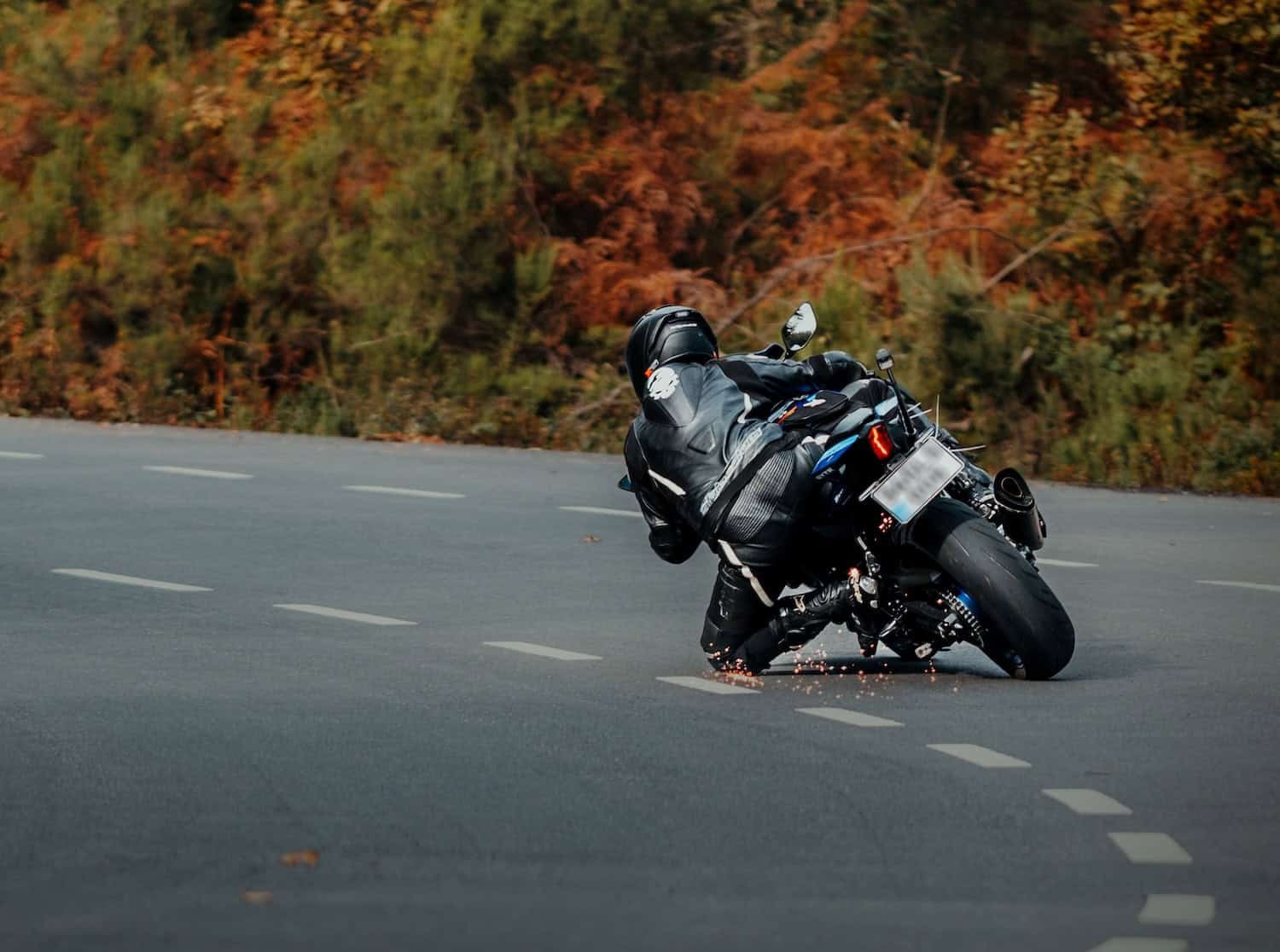
 A motorcycle accident happens fast, and in the aftermath it can be difficult to remember everything you should do to protect yourself.
But what you do and say in the first hour after the accident can shape whether you get full compensation for your injuries, your bike, and your medical bills months down the road.
We’ve put together a step-by-step guide for what to do after a motorcycle accident in Indiana, plus a few things riders specifically need to watch out for that don’t come up in a typical car accident.
Step 1: Get Medical Attention, Even If You Feel Fine
Call 911 if anyone is hurt. Beyond getting help on scene, this creates an official record of the crash, which you’ll need later.
Adrenaline hides injuries. Riders walk away from a crash feeling “fine” and find out two days later they’ve got a fractured wrist or road rash that’s turned into an infection. Get checked out — whether by ambulance, ER, or your primary care doctor — even if nothing feels broken. It protects your health, and it protects your claim: insurance companies use gaps between the accident date and your first medical visit to argue your injuries weren’t serious or weren’t caused by the crash.
Step 2: Document the Scene (If You’re Able)
If you can safely do so, do the following before anything gets moved or cleaned up:
- Photograph and video the bike, the other vehicle(s), road conditions, skid marks, and debris field.
- Photograph your gear, including helmet, jacket, gloves, boots. Damage to your gear is evidence of impact and speed, and it matters for both injury claims and any product liability question if the gear failed.
- Pull footage from your bike’s dash cam, helmet cam, or GoPro if you’re running one. Save it immediately. Some devices overwrite footage on a loop within days.
If you’re too injured to do this yourself, ask a passenger, witness, or family member to grab photos before you’re transported.
Step 3: Exchange Information
- Photograph the other driver’s license, license plate, and insurance card.
- Get names and contact information for any witnesses. They may not still be there by the time an officer or investigator follows up.
- Get the responding officer’s name/badge number and ask how to obtain a copy of the crash report.
Be Prepared After an Accident: Download our Free Printable Wallet Card
We put together a wallet-sized version of these steps so you can keep it with your license or in your bike’s storage. Download the free printable crash card here. so you have it when you need it.
Step 4: Watch What You Say, Both On Scene and to Insurers
It’s important that you don’t get into a discussion about fault at the accident scene. Stick to the facts with police.
Once you’re away from the accident scene, do not give a recorded statement to the other driver’s insurance company before talking to an attorney. Their adjuster’s job is to minimize what they pay out, and recorded statements get picked apart later. An offhand “I’m okay” or an imprecise guess about speed can be used against your claim months later.
You should still report the accident to your own insurance company, particularly if your bike needs to be towed — your insurer can help arrange that.
Step 5: Contact a Lawyer
Reach out for legal advice as soon as possible, no matter how minor the accident may seem. A free consultation with a motorcycle accident attorney costs nothing and will help you know where you stand — plus ensure your rights are protected no matter what happens.
What Makes a Motorcycle Accident Claim Different
A few things come up in motorcycle claims that don’t apply the same way to car accidents:
Bias against riders
Insurance adjusters (and sometimes juries) bring assumptions into a motorcycle case that they don’t bring into a car accident case: that the rider was speeding, weaving, or “asking for it” simply by being on two wheels. Good documentation from the scene (Step 2) is often what overcomes that bias.
Helmets and gear
Indiana law only requires a helmet for riders under 18 or riding on a learner’s permit. Riders 18 and older with a full endorsement can legally ride without one. That said, insurers routinely ask whether a helmet was worn, and can try to use its absence to argue the rider’s injuries were partly their own doing.
Road rash and gear damage as evidence
Unlike a car’s crumple zone, a rider’s gear is often the only thing between the pavement and their skin. Photograph damaged leathers, boots, and helmets before they’re discarded — they can help establish the force of impact.
Frequently Asked Questions
Do I need a lawyer after a minor motorcycle accident?
Even a “minor” accident can turn into a real injury claim once adrenaline wears off, and insurers move fast to close out small claims cheaply. It costs nothing to have a motorcycle accident attorney review your situation before you sign anything or accept a settlement.
What if the other driver doesn’t have insurance?
Roughly 1 in 7 drivers are uninsured in Indiana, which can leave you holding the bill for someone else’s mistake. But depending on your policy, uninsured/underinsured motorist coverage may still allow you to recover. See our motorcycle insurance checklist and our guide to Indiana auto insurance coverage for more on how this works.
Involved in a Motorcycle Accident in Indiana?
If you’ve been in a motorcycle accident, our team of experienced motorcycle accident lawyers can help you understand your options and pursue full compensation for your injuries and expenses. Call Ladendorf, Fregiato & Bigler at 317-842-5800 or fill out our contact form for a free consultation.
